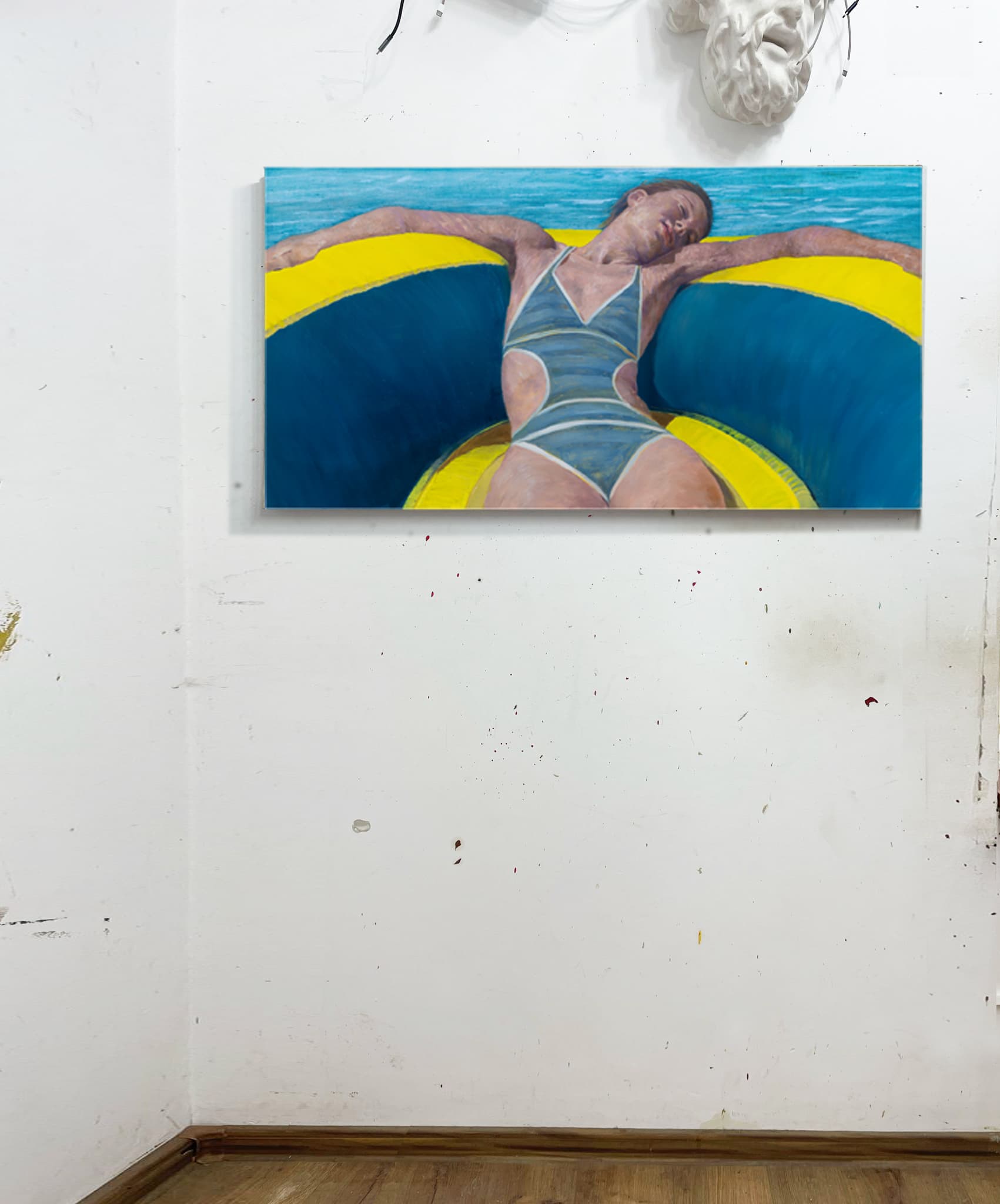
THE PRESENT GROWS AHEAD OF ME, I DARKEN
[text by G.A.N.H.I.L.A.]
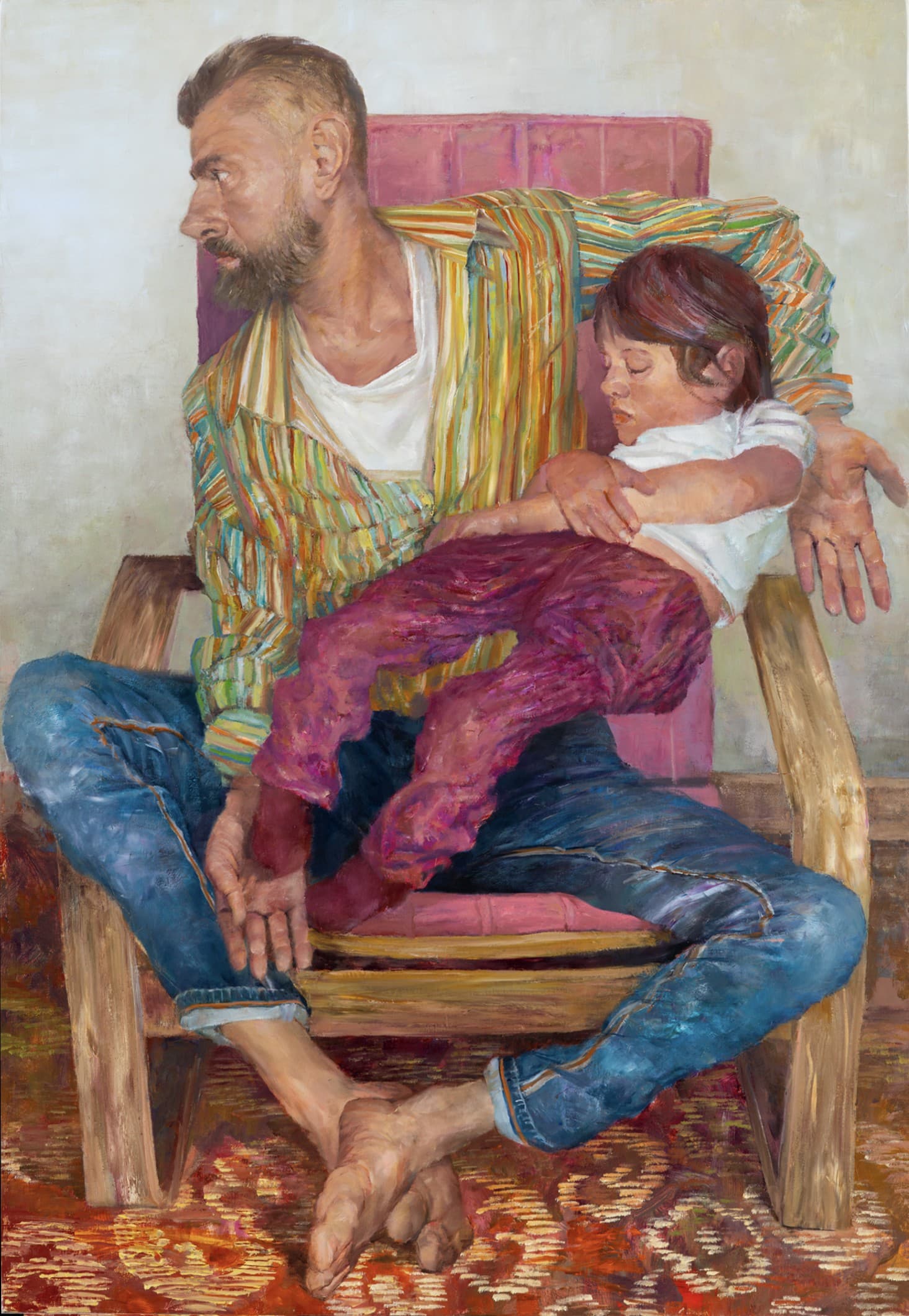
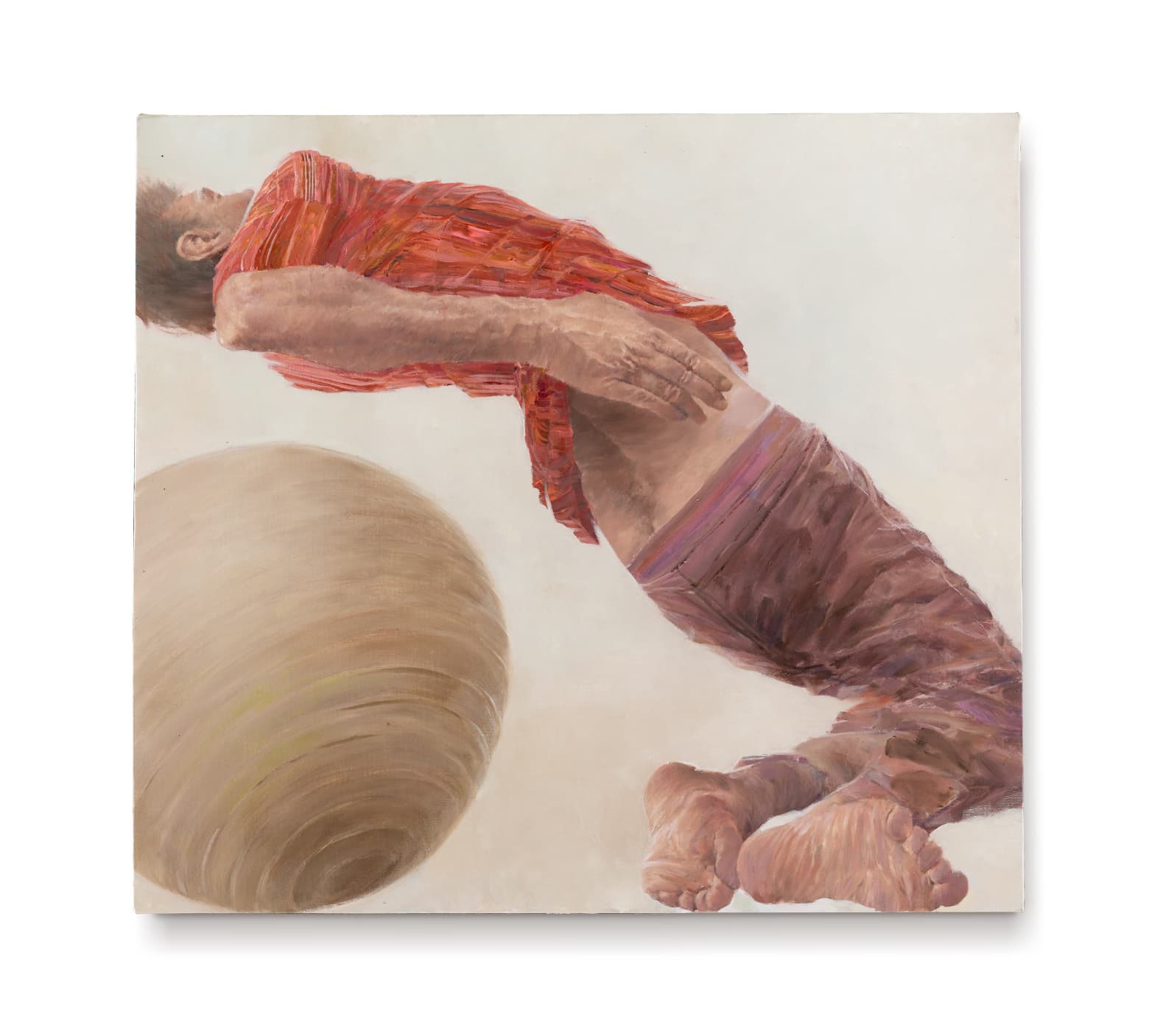
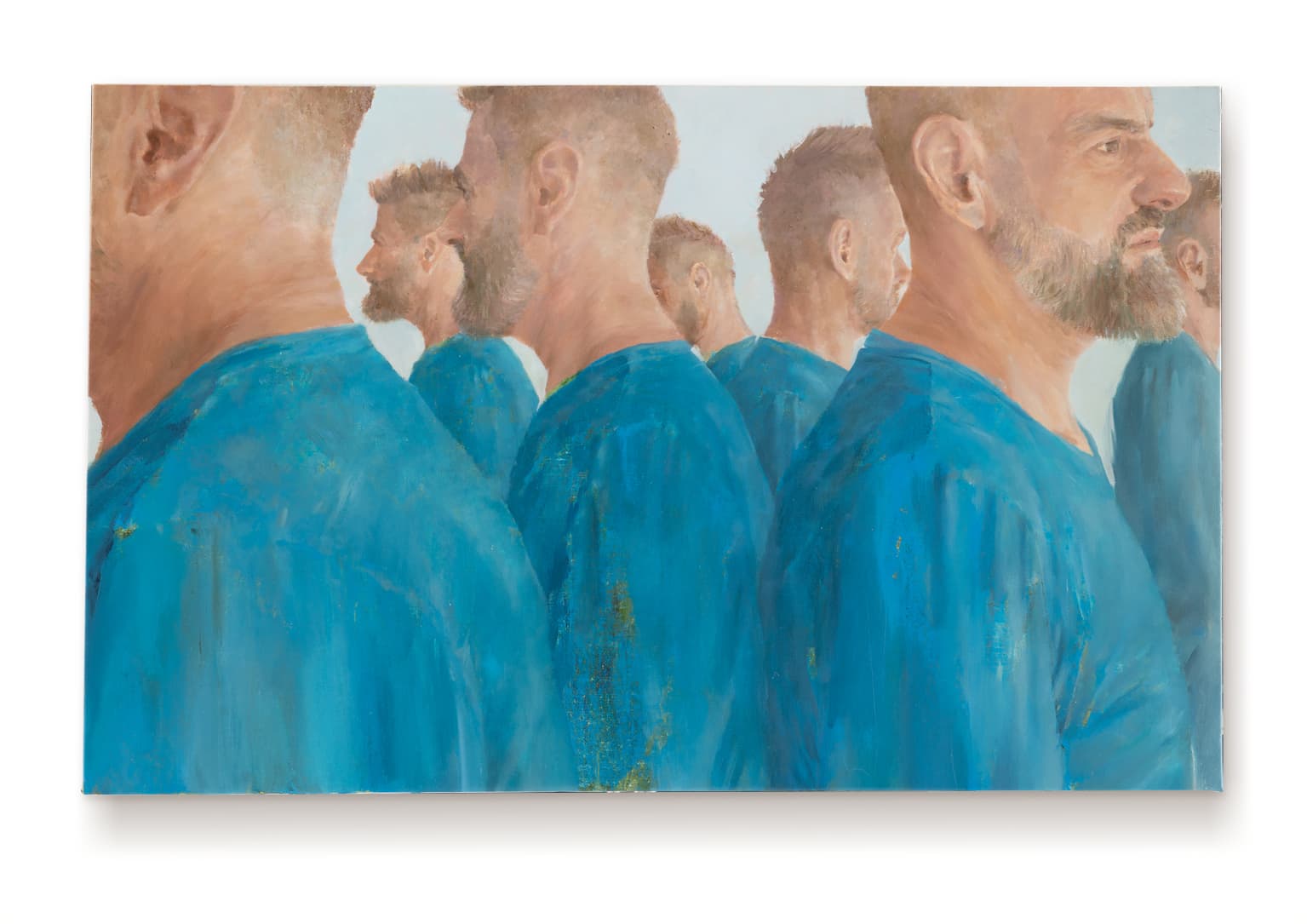
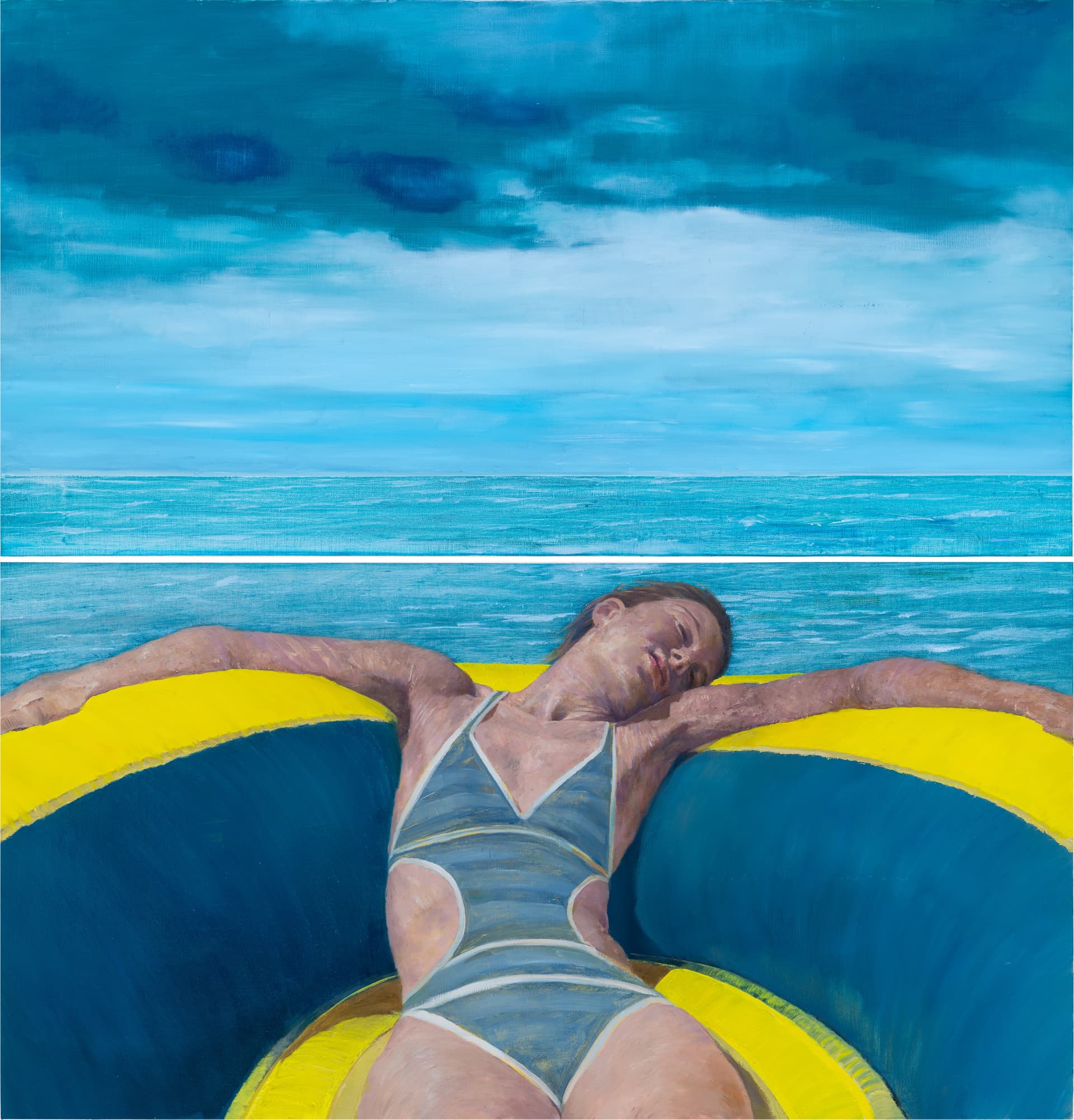
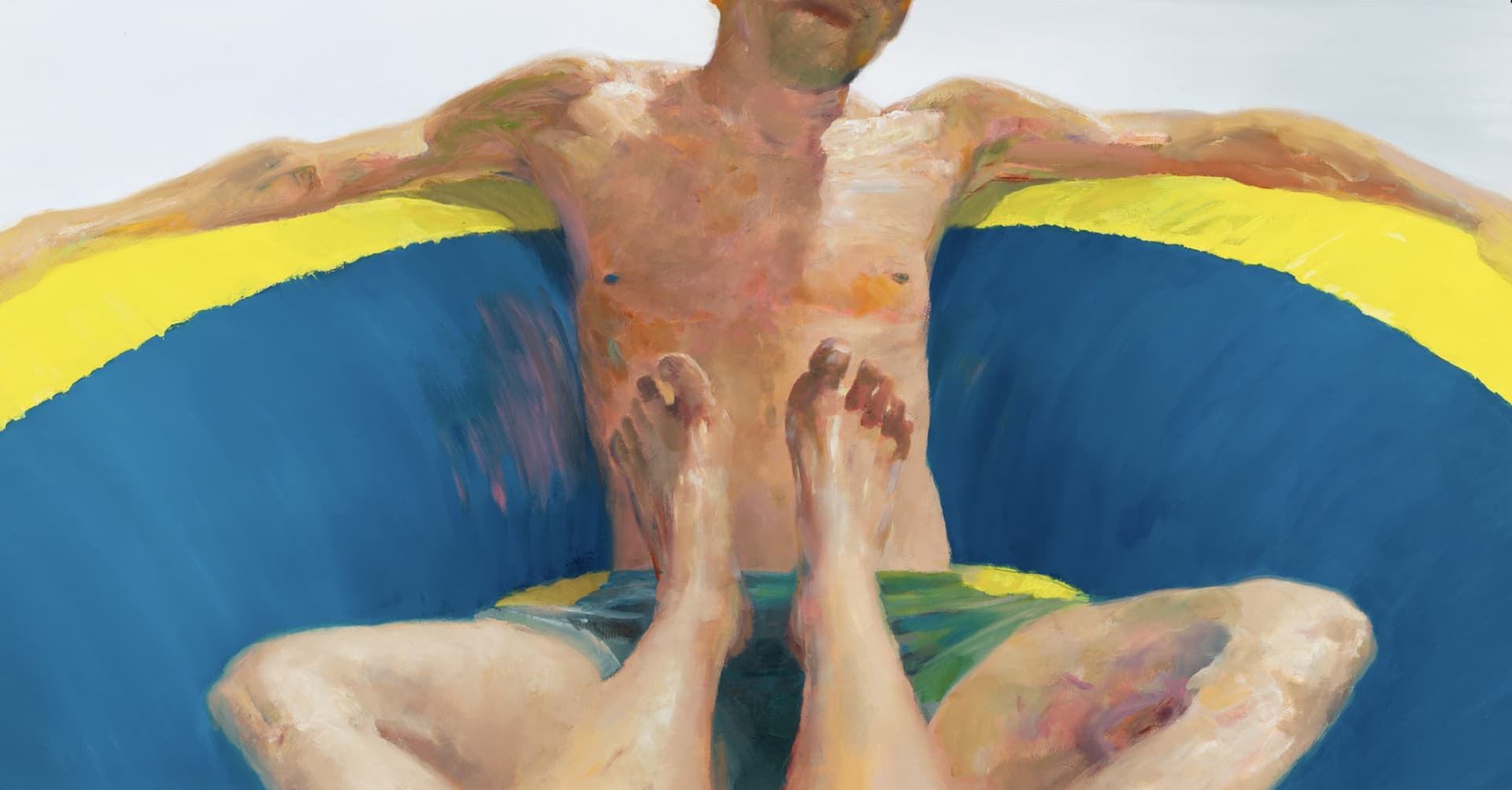
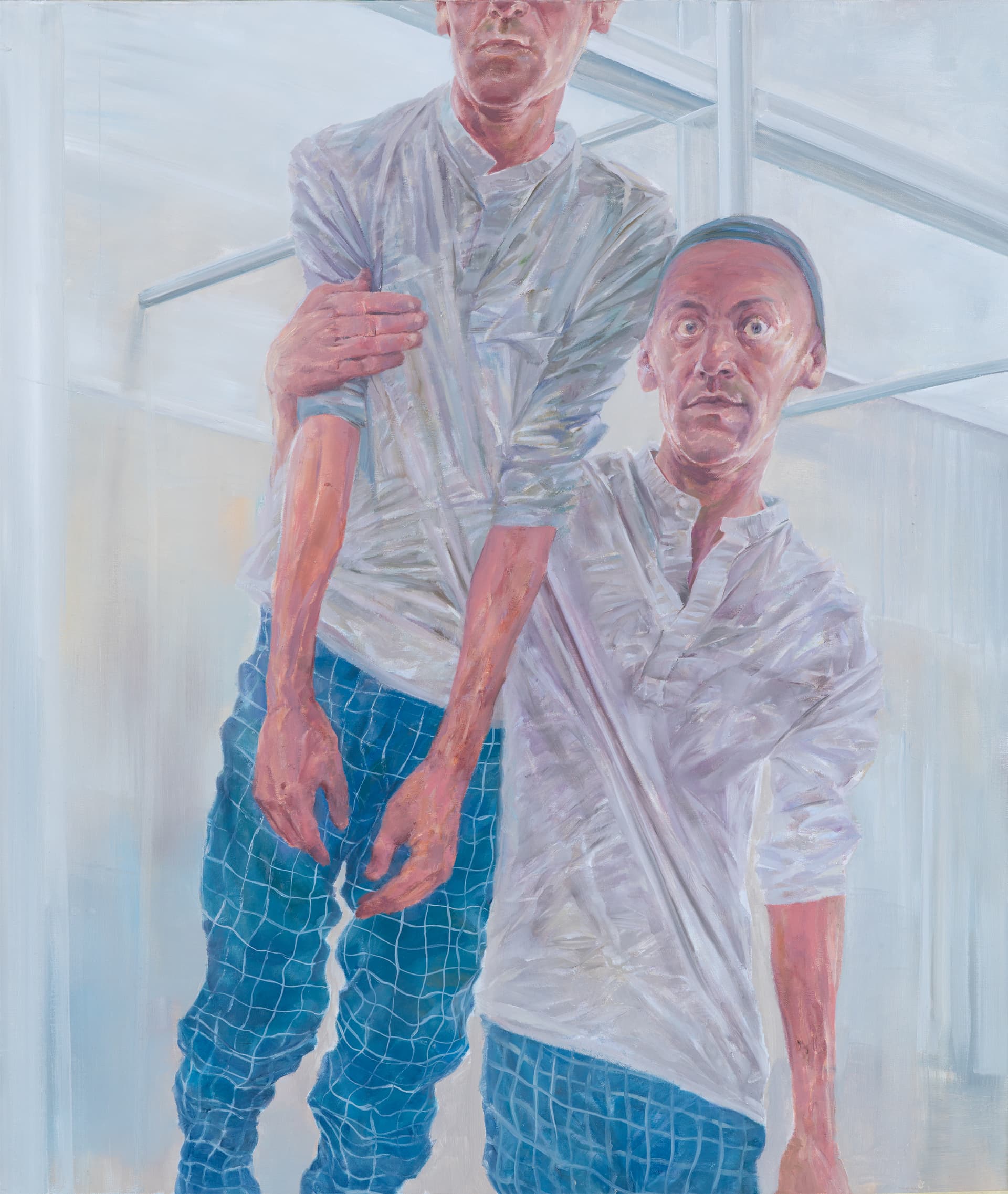
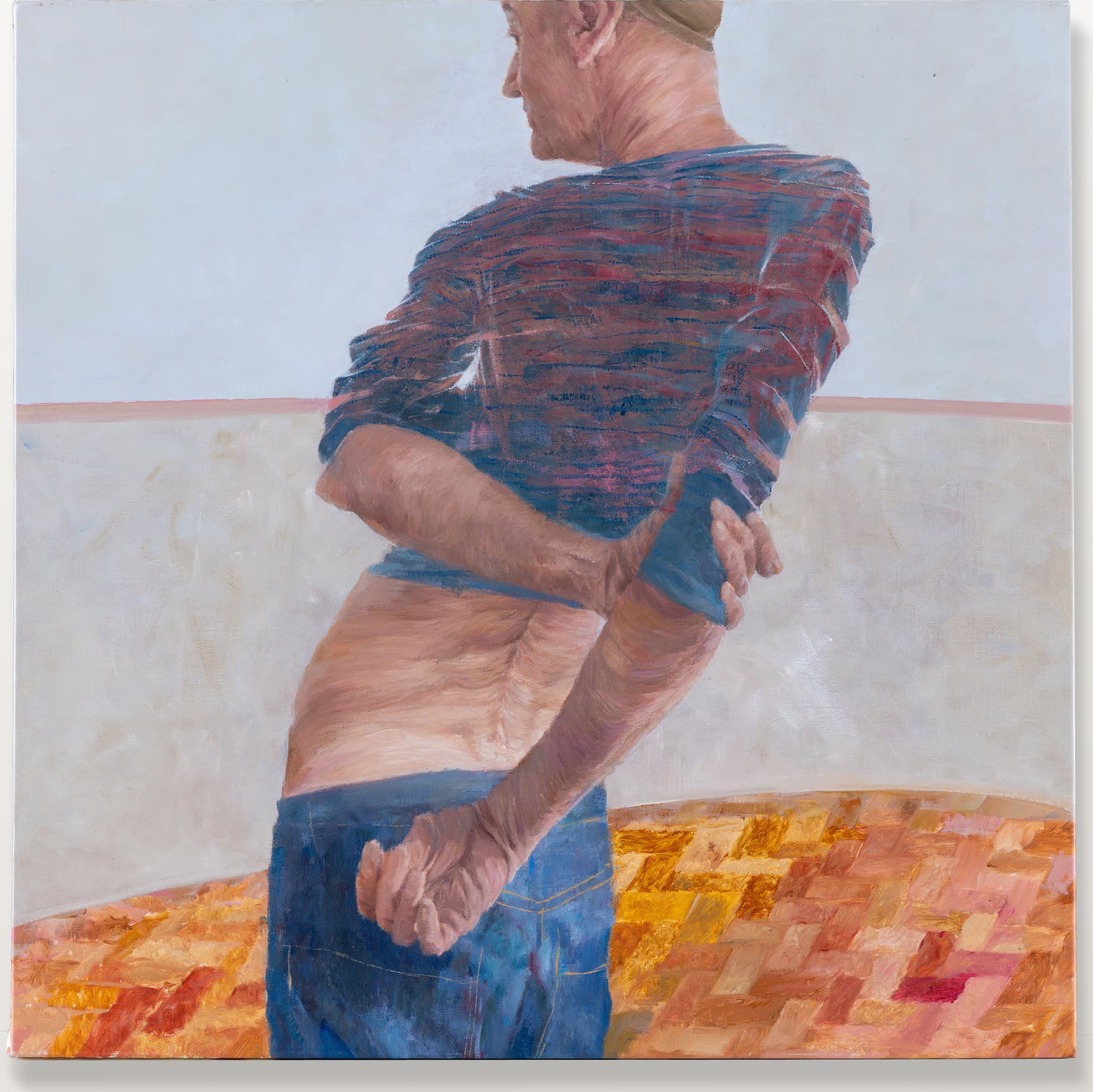
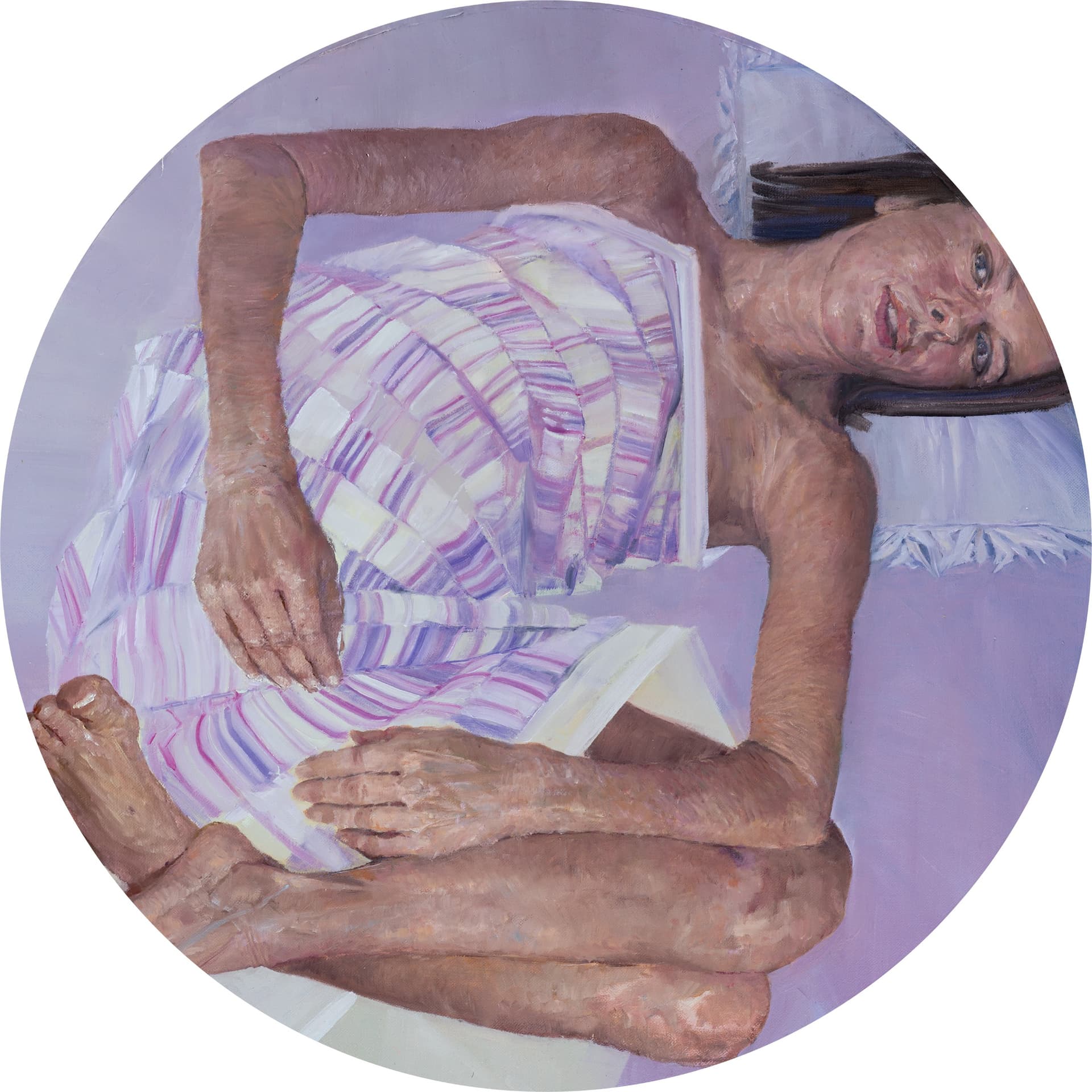
Ever since his first presence in European or North-American galleries (with SLAG&RX Gallery NY/Paris), Dan Voinea had seemed perfectly installed in a recurrent existential debate. Such an internalizing approach led him to a resigned, symbolic self-exile. This time, however, his discourse seems to have adopted a subtle glissando movement towards a type of reality contaminated with (yet, never confiscated by) ordinary life, fatally extended to socio-politics. It is hard to tell for sure what exactly generated this new turn in the artist's sponginess. I would say it is an outcome of a substantial bargaining with the notion of "efficient" painting as a means of expression in contemporary debate, rather than what we normally mean by "mannerism". Or it may well be a mere artist's whim. The artist's career so far could be an argument: long series of paintings and as many irrefutable proofs to support his constant interest in a particular type of image. An image with existential overtones, set in outstanding classical, modern, postmodern and contemporary recurrent themes. The latter ones, although not extremely vibrant, do require a proper context in order to be figured out. Such exhibits are likely to be labelled as autonomous works of art (Velasquez, Francis Bacon, Gerhardt Richter, Peter Doig at first glance). In other words, choice was obvious, like a quest beyond context, like an ever enthusiastic yearning, under seemingly hostile circumstances of inescapable immersions and combinations. By the means of a subtle ironic (and self-ironic) endeavour, Voinea manages to both approach and distance himself from the context, forever with a critical, sensitive perspective. "I am not getting used easily with the present", the artist was confessing when I visited his studio. "Carelessness is watching me, and I find it hard delivering myself confidently to a time whose present unmistakingly ties me to the future. To buy a ticket for the train that takes me to my destination, I feel I need to build the rails myself. Anyhow, I cannot possibly activate in the militant art of the moment unless I leave room for reclusive reflection, for self-reflexion, or (preferably) regenerative dialogue to The Source". That explains stylistically the artist's fierce appeal to geometry and linear purification (now incipient), faking an absolute and implacable conformism. He simply contaminates the characters' vitality (or anemia) as well as the set in their amniotic environment ("My Square", "Your Square"). The frame of the canvas becomes an opportunity for reference, and creative participation in the actual making the work of art, perfectly circumscribed to the discourse it occasionally enhances ("Now that you can see, you might tell me" and the diptych "Detachable Sky"). Visual proposals are the result of an almost mechanical twist back to the subjective stock photography in the absence of photo sessions with self-referential subject ("Chairs UP!", diptych "Chair on the Right / Chair on the Left"). They wobble playfully between motionless, shapelessness, leisure, and self-extinction (the almost carbonized figure in "Detachable Sky", for example). At first sight, his works are easily revealed through balance and technique (well mastered by the artist). Further sights are less comfortable - even if one has reached the author's, rather malicious, humour. This double interpretation key for his images deliberately brings near the artist's effort to adapt to a reality that is harder and harder to grasp under the inflating lens through which it is being looked at. It would be absurd, though, to imagine that Voinea has abruptly steered to this style metamorphosis, by skipping any intermediate stages. Or even worse: to assume he did it against his usual working style. As in his previous exhibitions, the tone is slightly subversive, while expressiveness starts right from where pretentiousness leaves room to a natural and necessary breath. Technique and language have evolved so that the model or the object is no longer solemnly depicted. The artist shows more attention to detail attached to the matter, no theatrics or infatuation, and utterly rejects any form of mannerism. We still sense the subtext, do notice the ambivalent meanings the artist has constantly played upon, and witness the continuity of a process focused on the valorisation of an ever expanding personal universe. The expansion is difficult, with scruples regarding self-control and modesty, as he willingly confesses, in a simple, natural and subjective way: "Art is an endless series of bargains between how much you still leave uncovered and what you are trying hard to conceal".